Captured my heart and soul
As a fine art photographer, I have had the opportunity to capture the essence of many breathtaking places around the world.
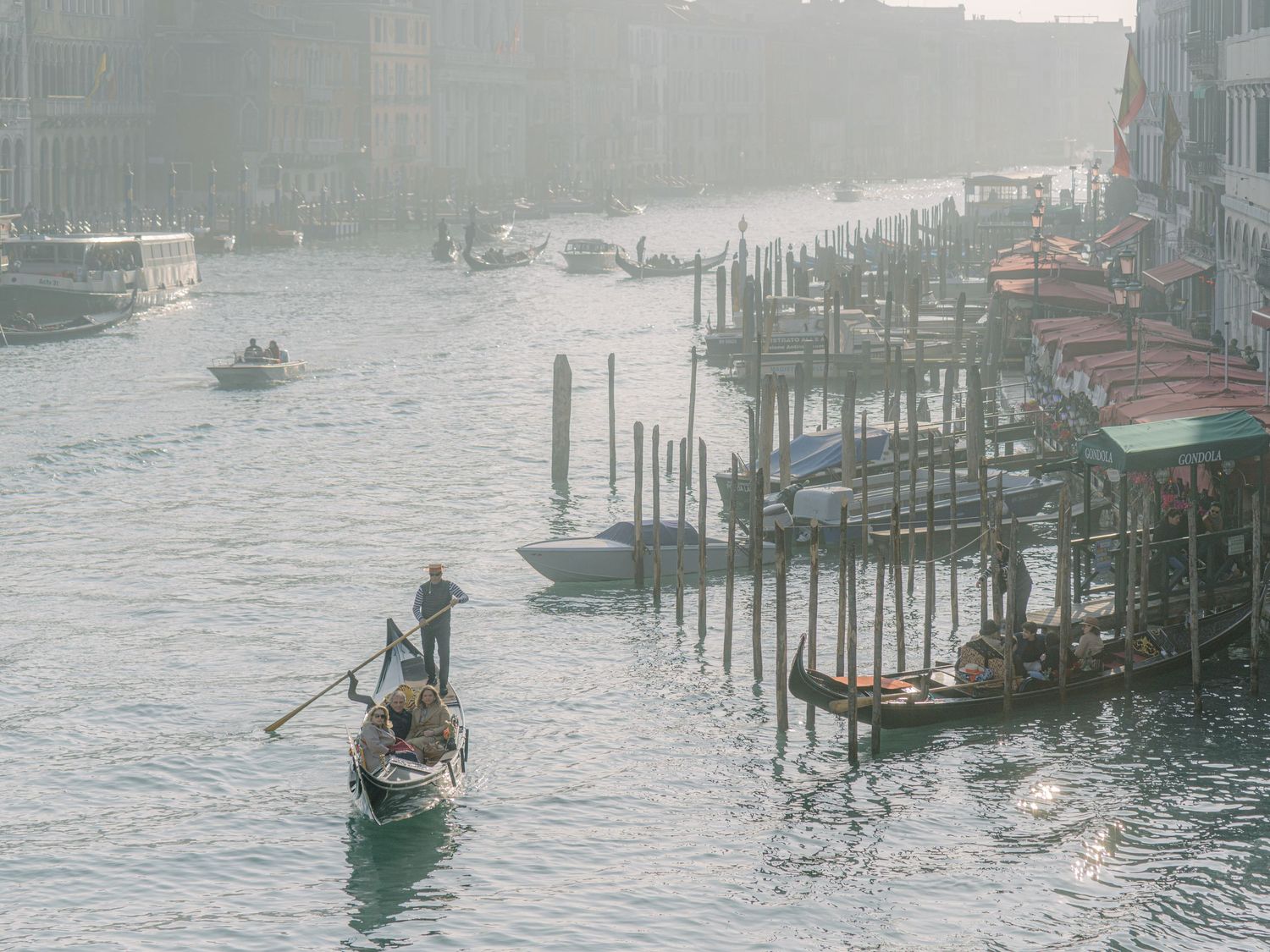
However, there is one city that has captured my heart and soul: Venice, Italy.
Venice is a city built on water, a place where art and culture thrive. Its history dates back to the 5th century, when the people of the Venetian lagoon settled on the small islands that make up the city today.
Over time, Venice became a powerful maritime republic, a center of trade and commerce, and a hub for art and culture.
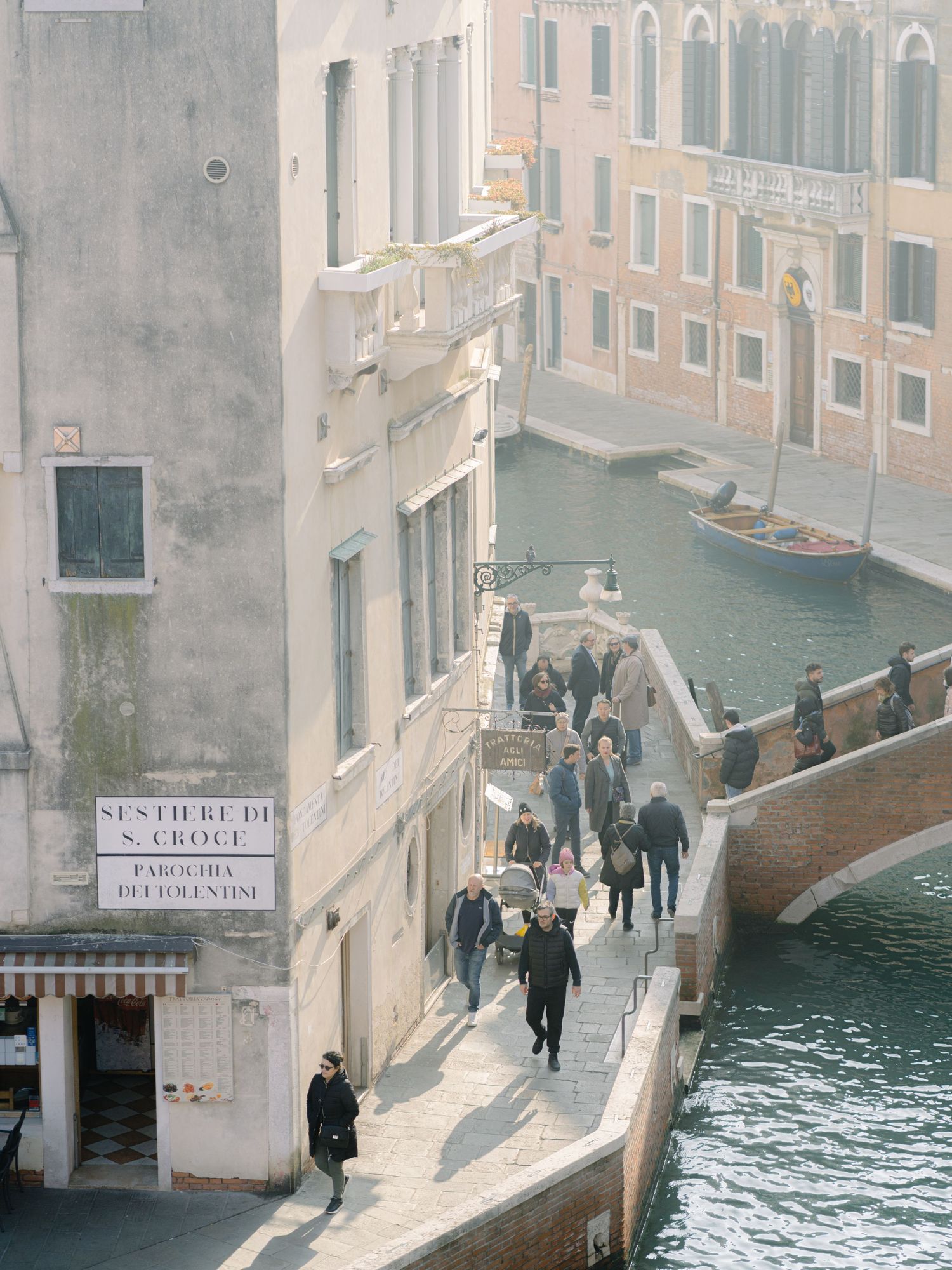
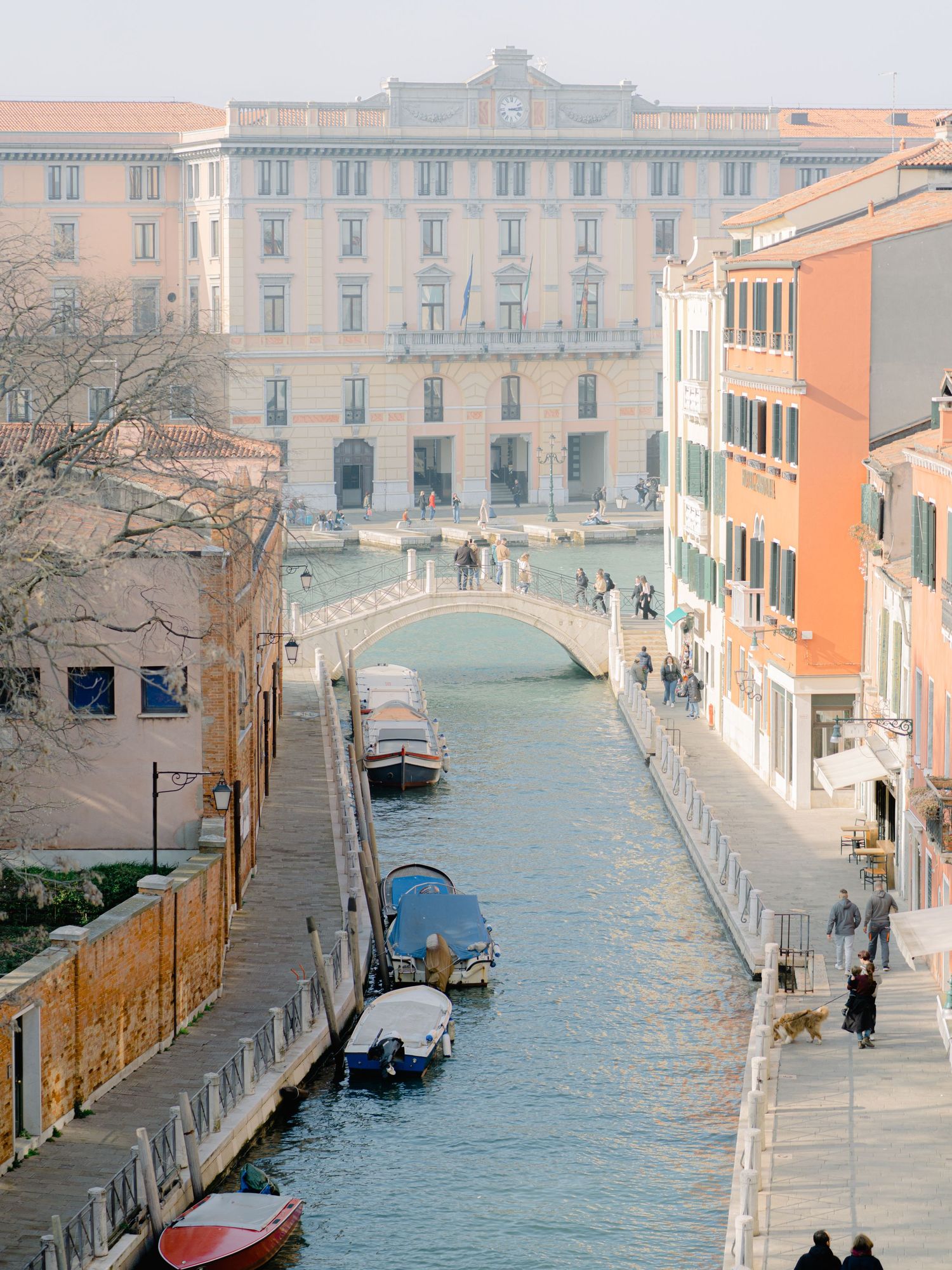
One of the most striking aspects of Venice is its architecture.
The city is home to some of the most beautiful buildings in the world, including the Basilica di San Marco, the Doge's Palace, and the Rialto Bridge.
These buildings reflect the city's rich history and culture, with influences from Byzantine, Gothic, and Renaissance styles.
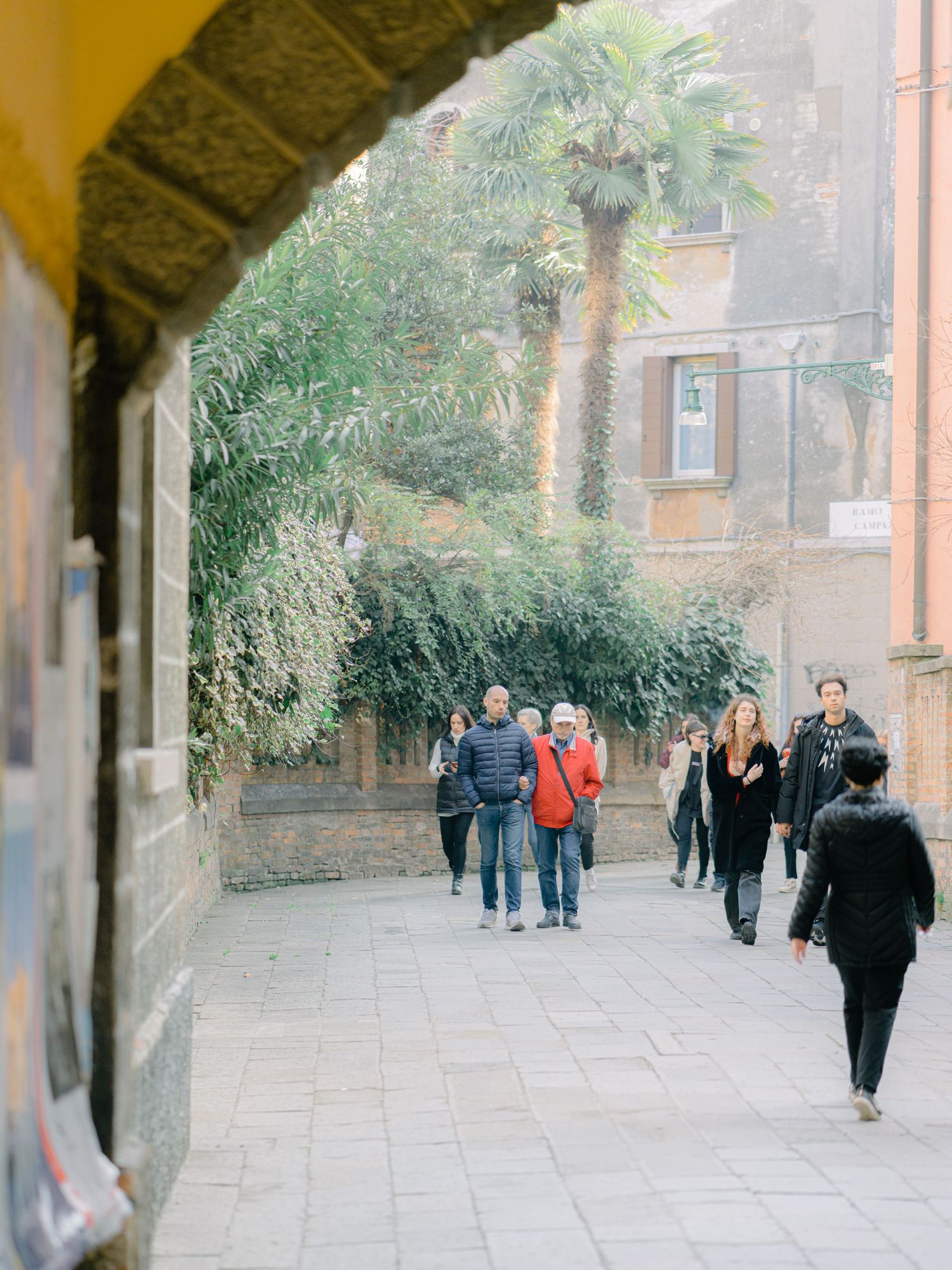
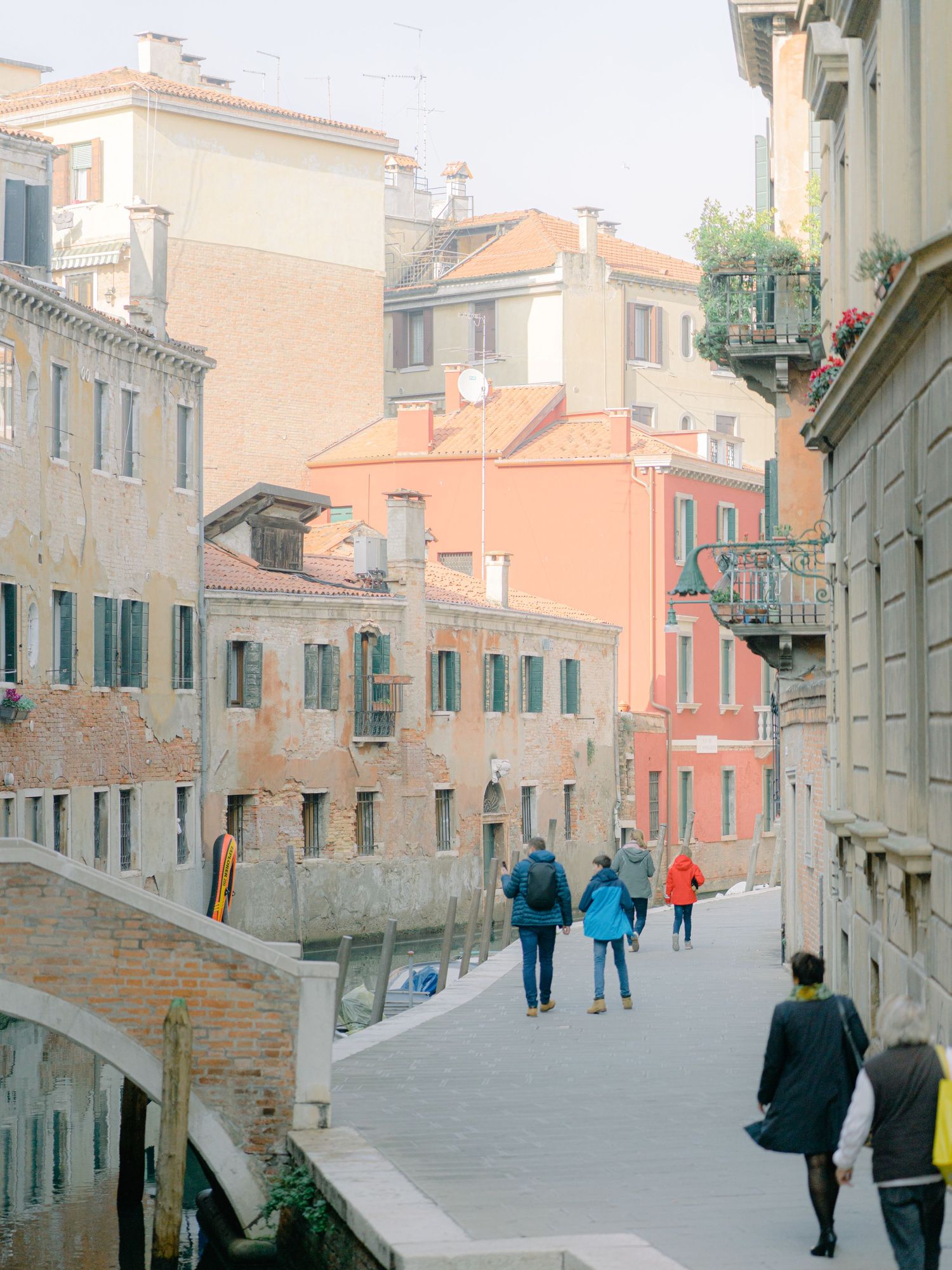
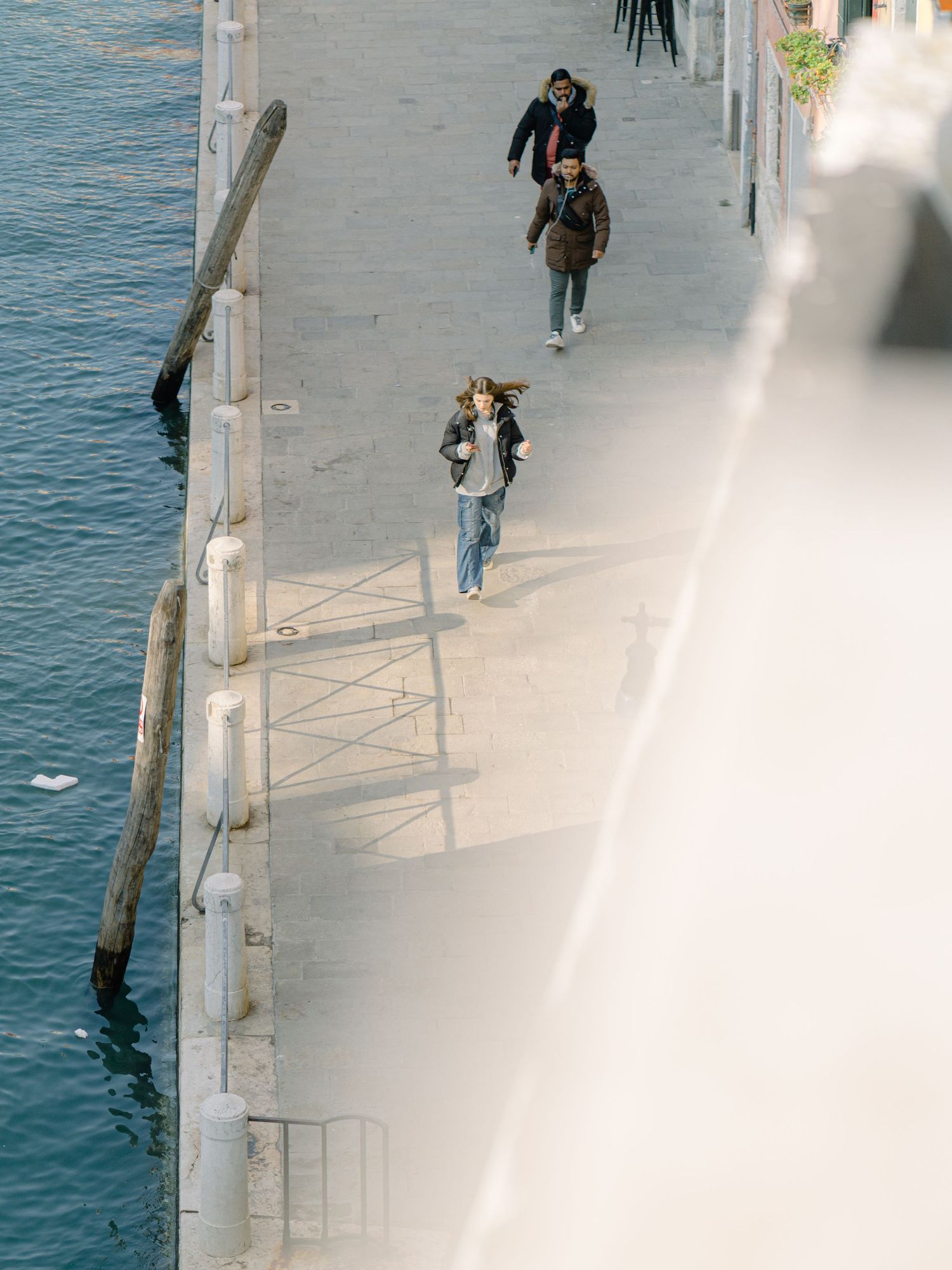
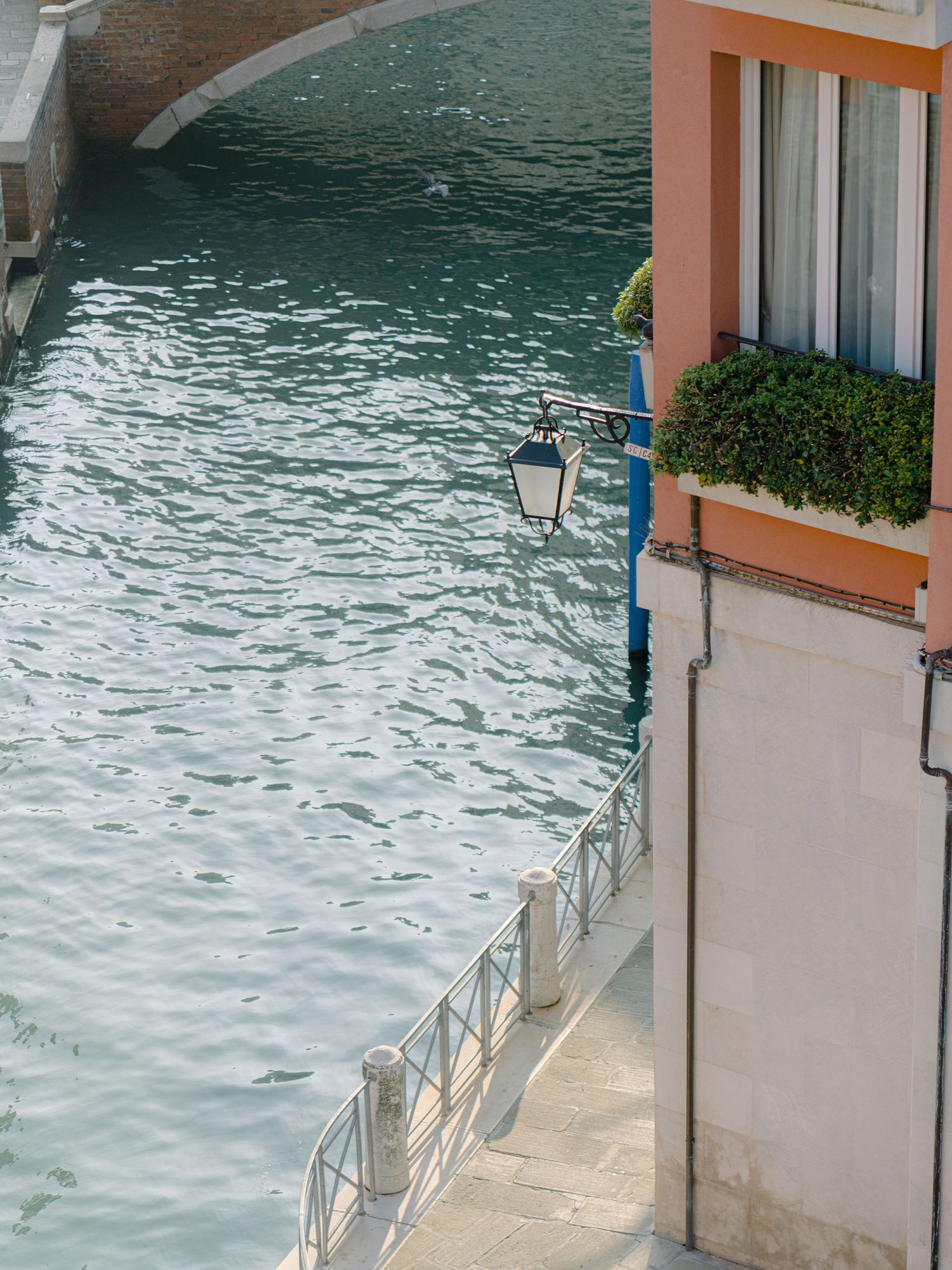
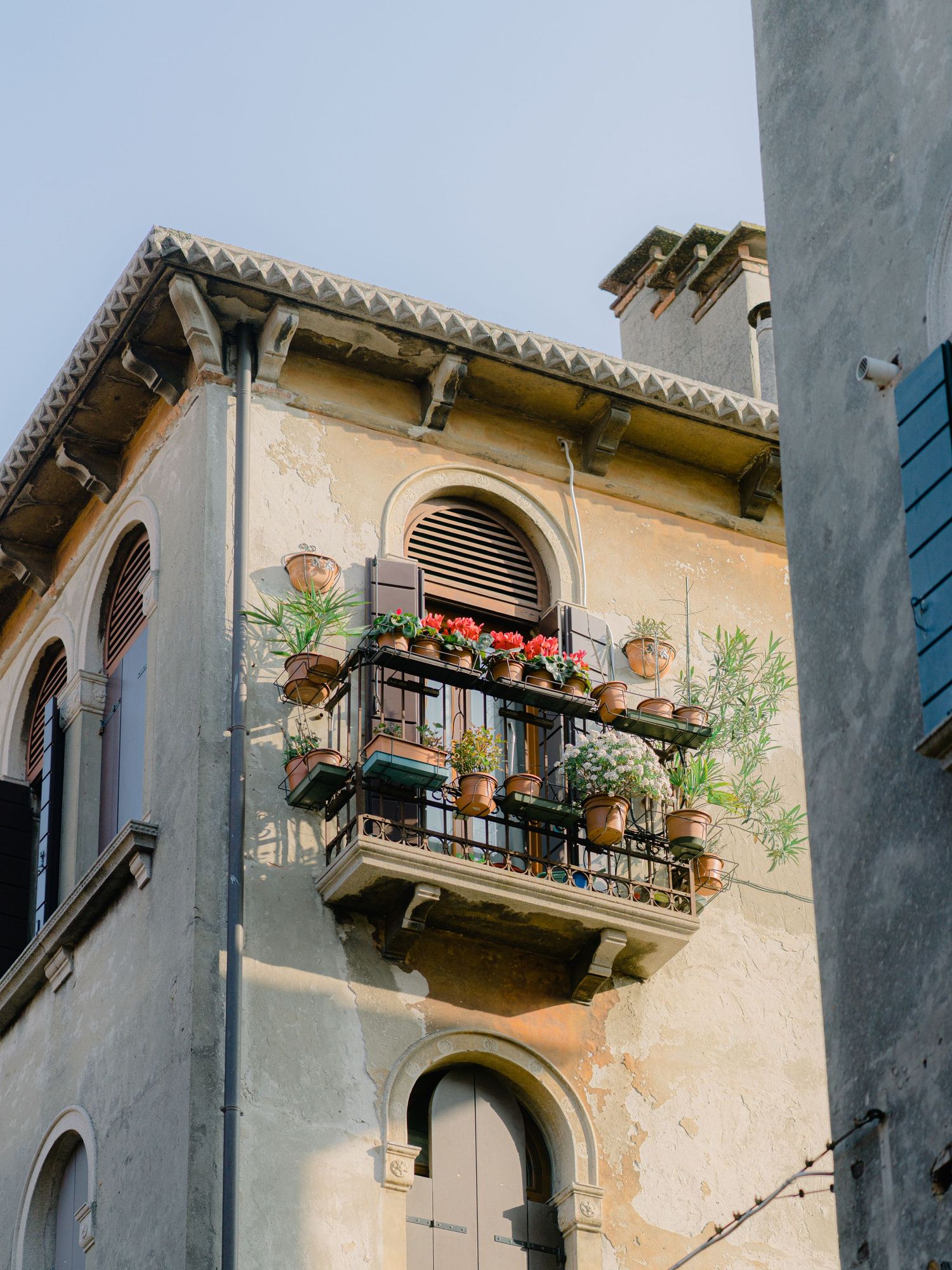
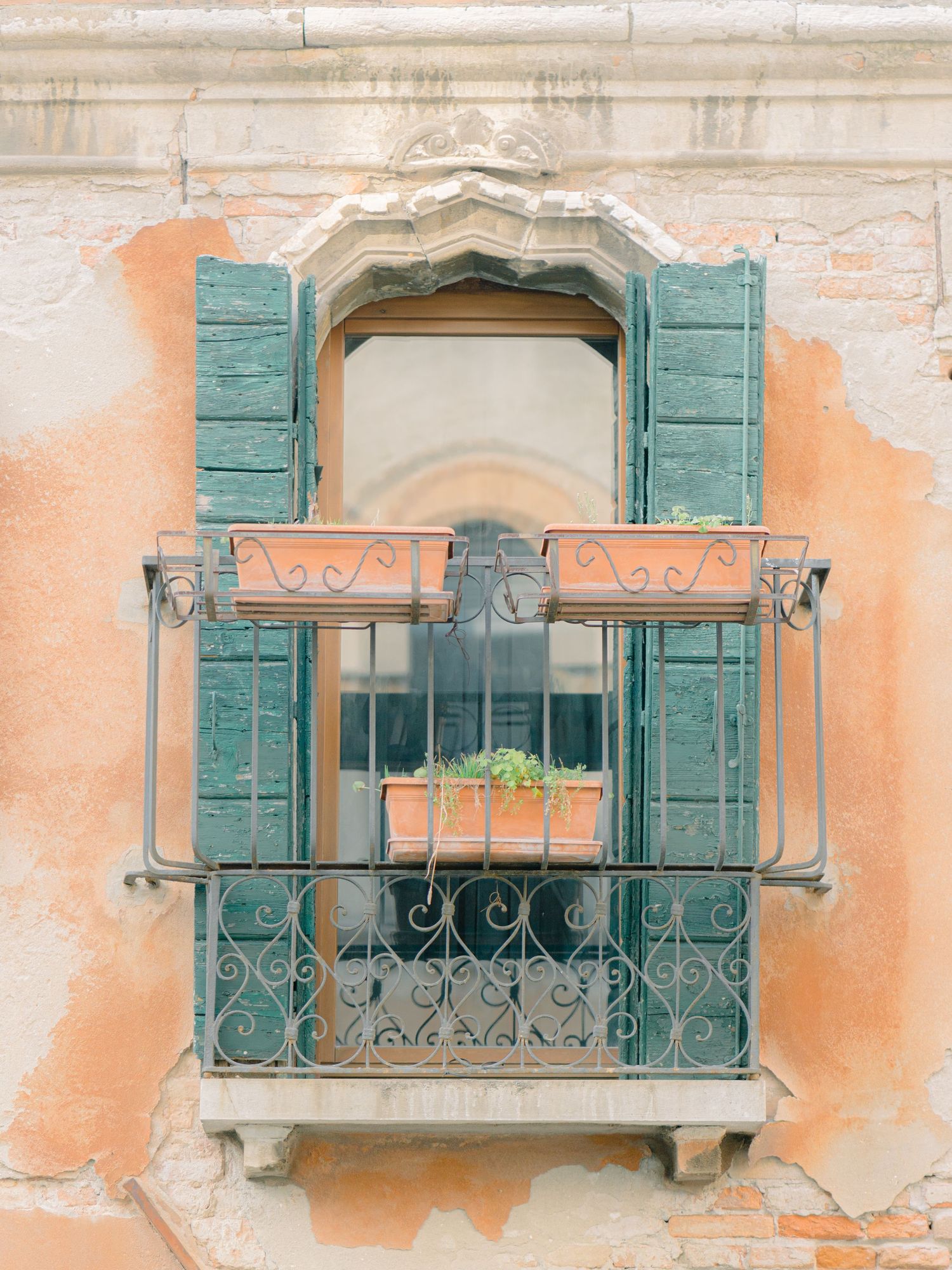
The art scene in Venice is also rich and diverse. The city is home to numerous museums and galleries, including the Peggy Guggenheim Collection, the Ca' Rezzonico Museum of 18th-century Venice, and the Scuola Grande di San Rocco.
These institutions house works by some of the greatest artists in history, including Titian, Tintoretto, and Canaletto.
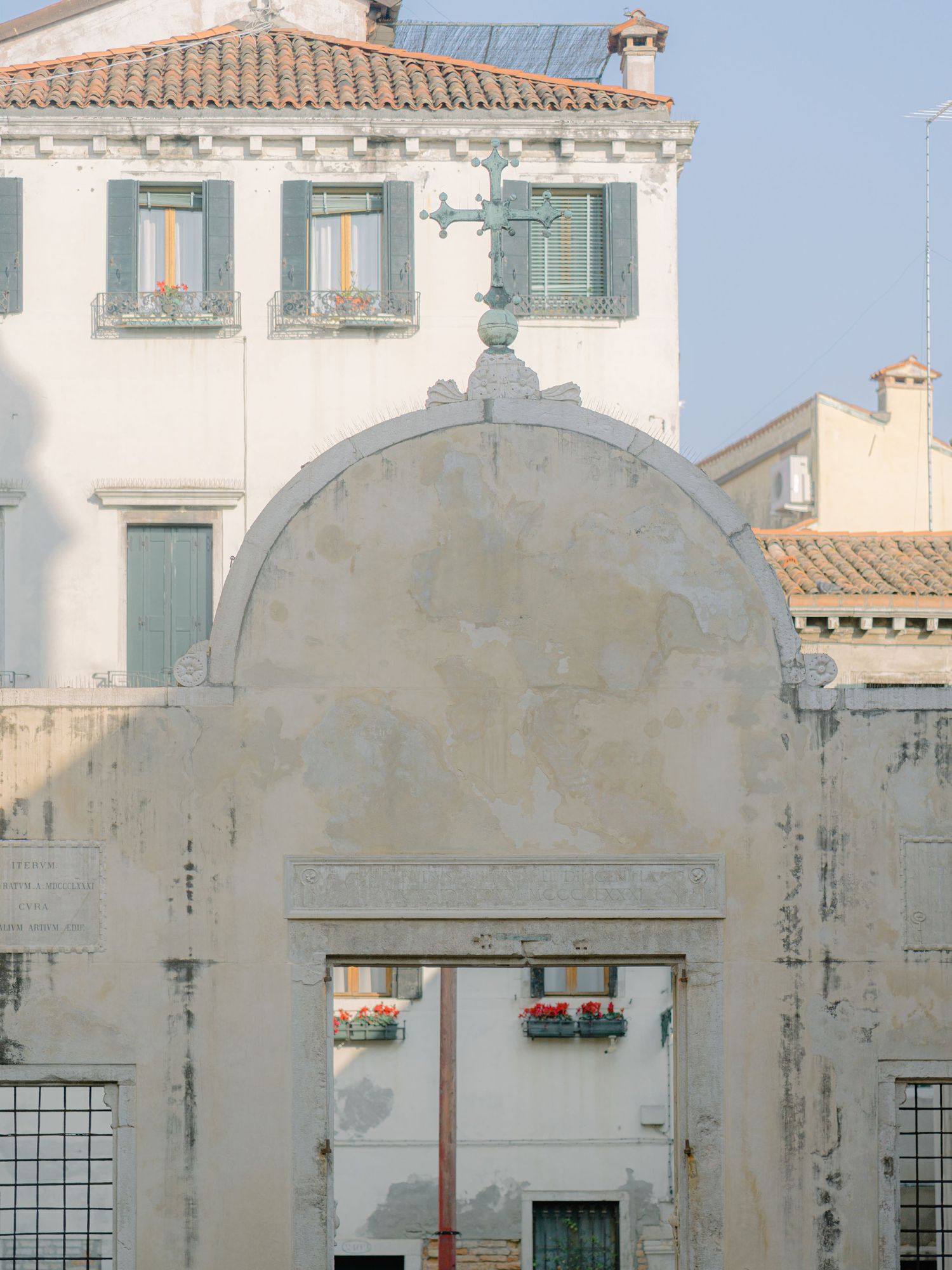
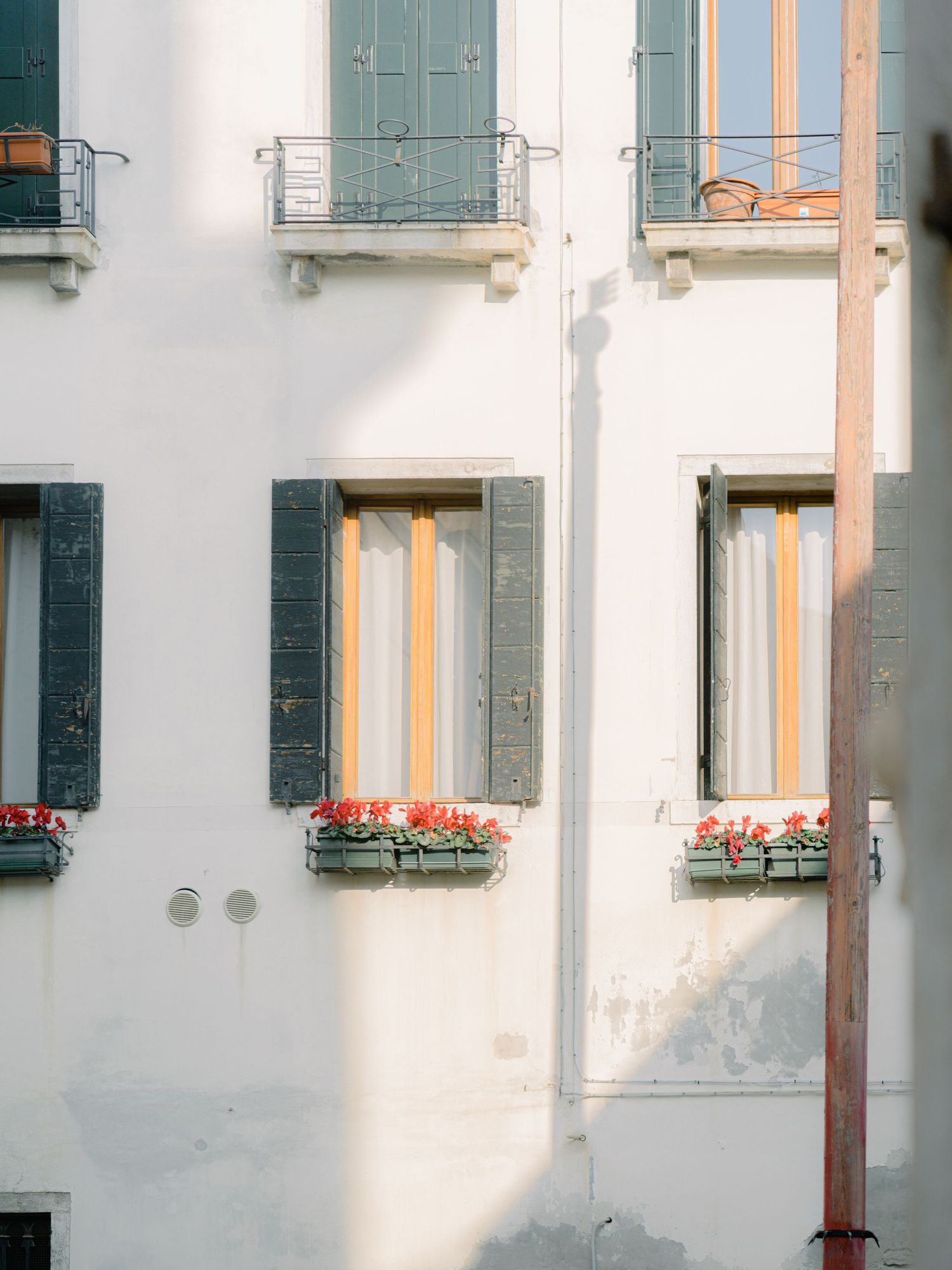
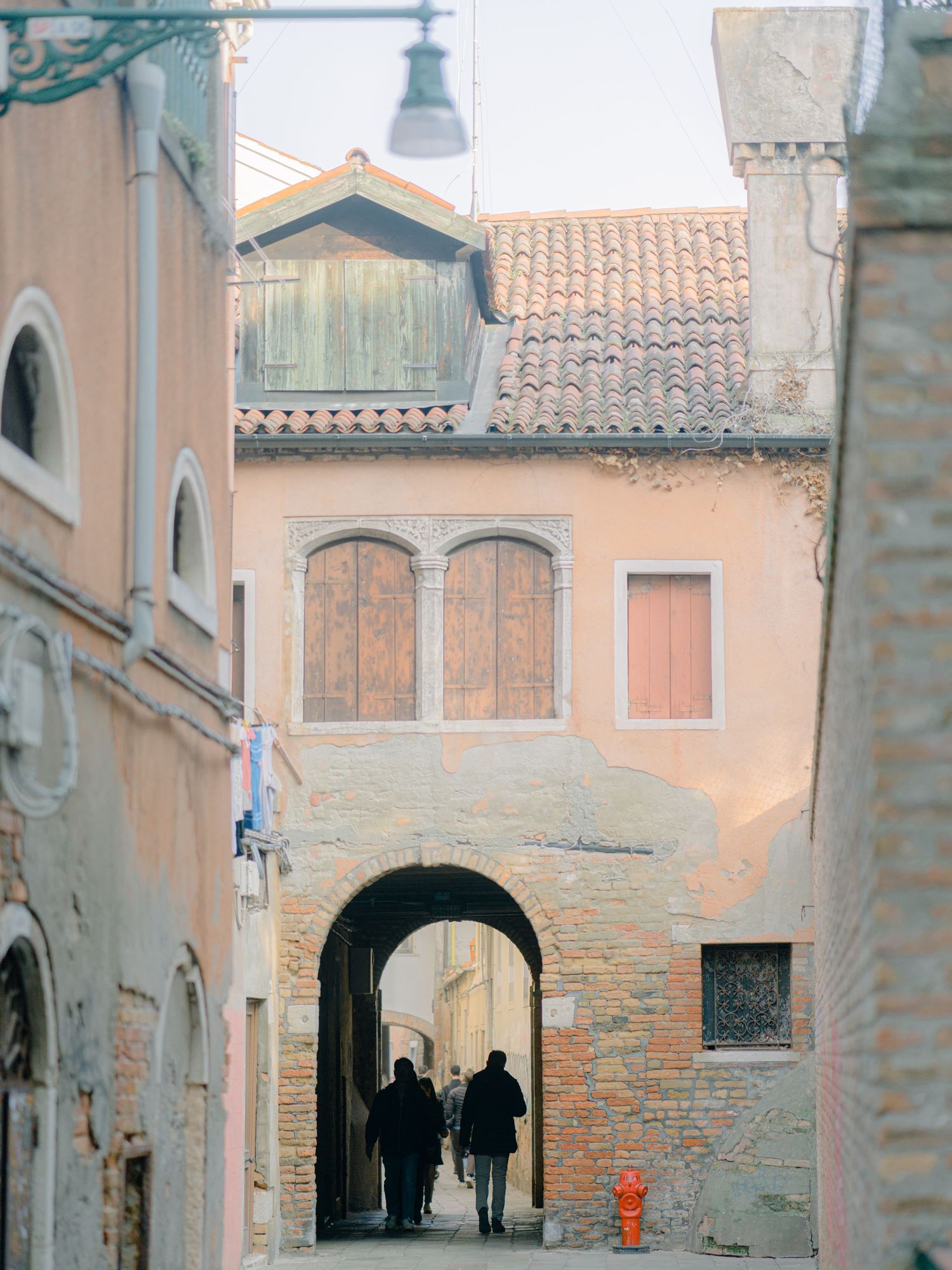
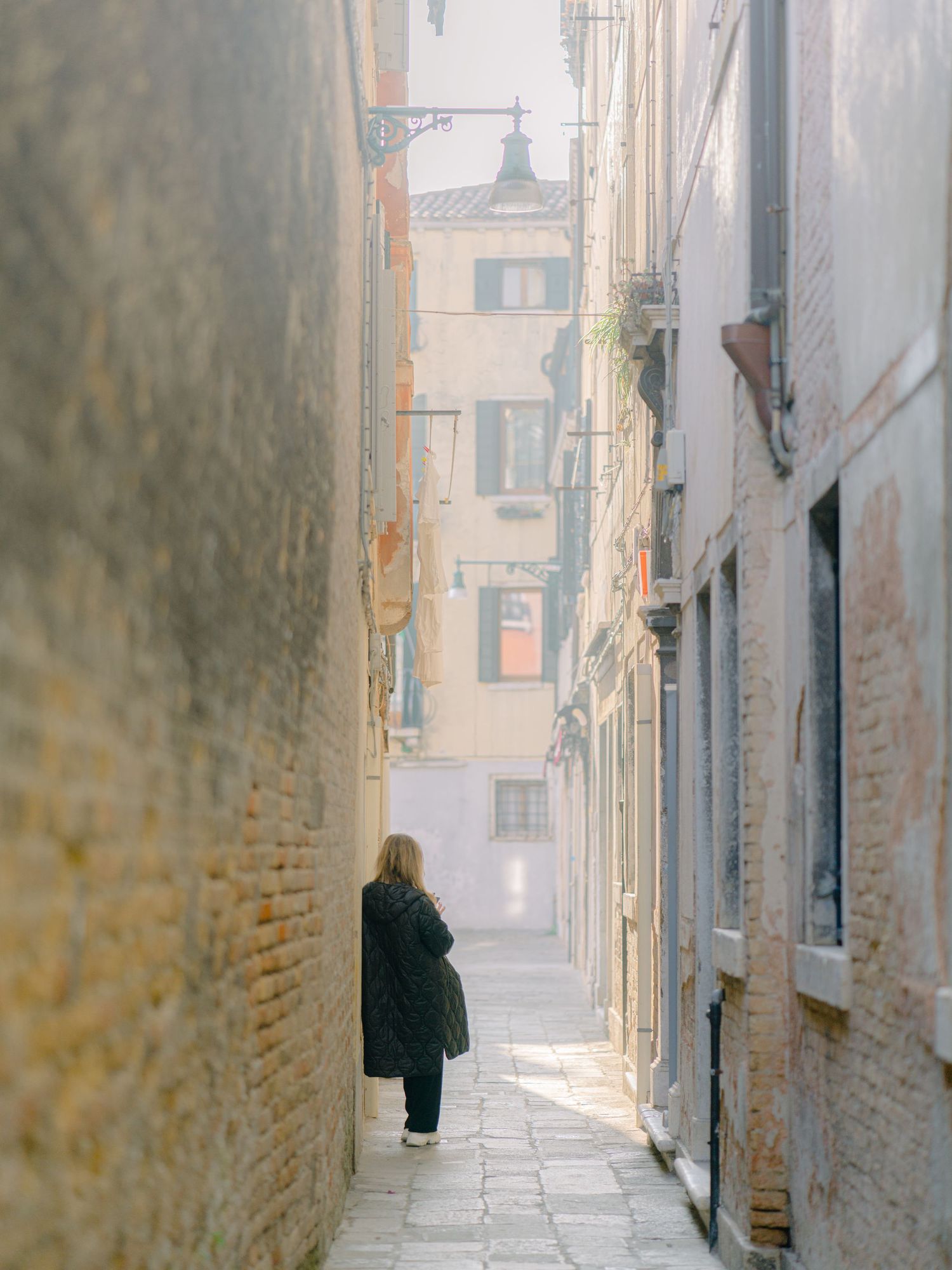
Venice has also been the inspiration for many artists throughout history.
The city's picturesque canals, stunning architecture, and unique atmosphere have been captured by painters, writers, and musicians alike. For example, the composer Antonio Vivaldi was born in Venice and wrote many of his famous works here.
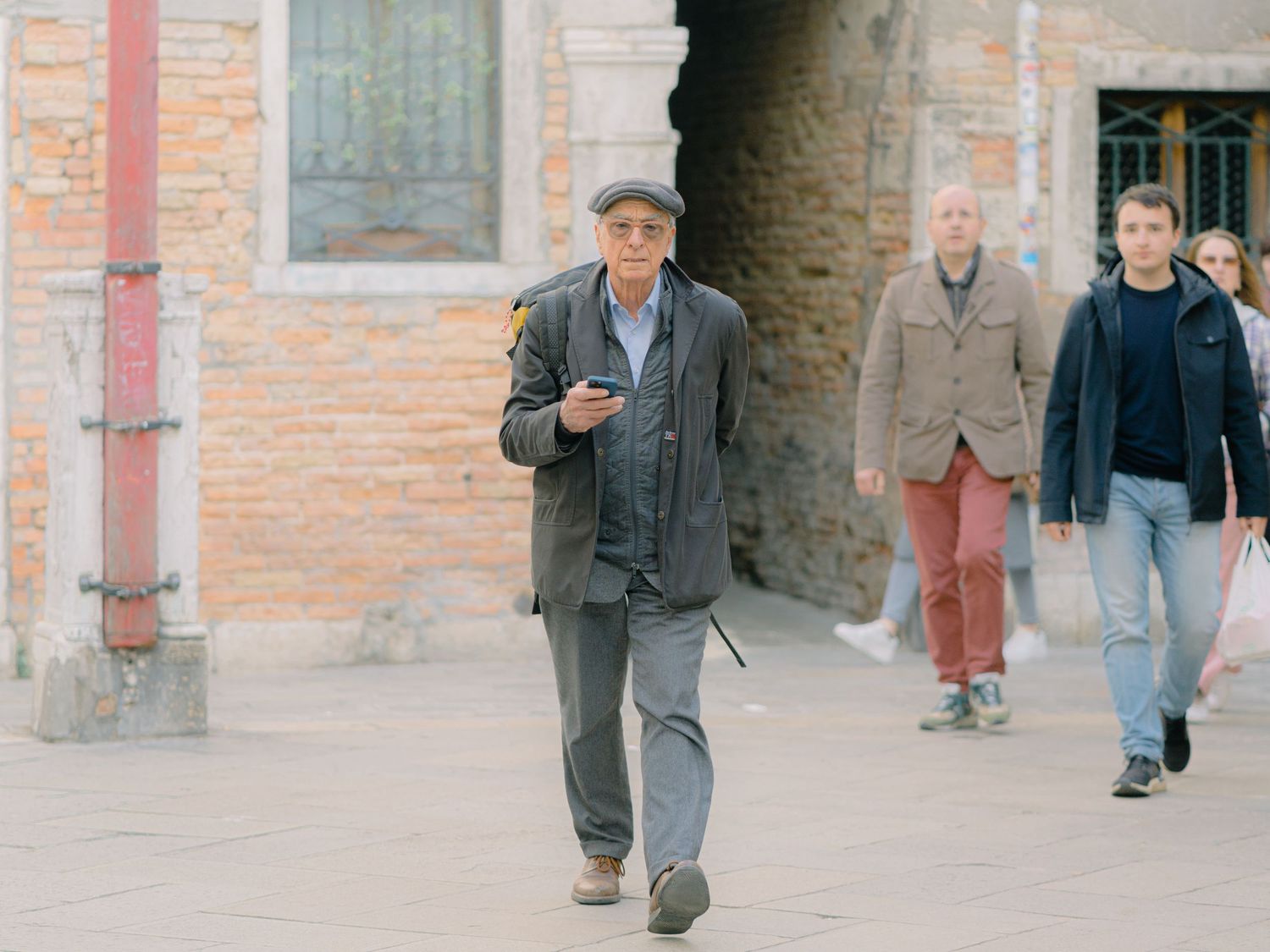
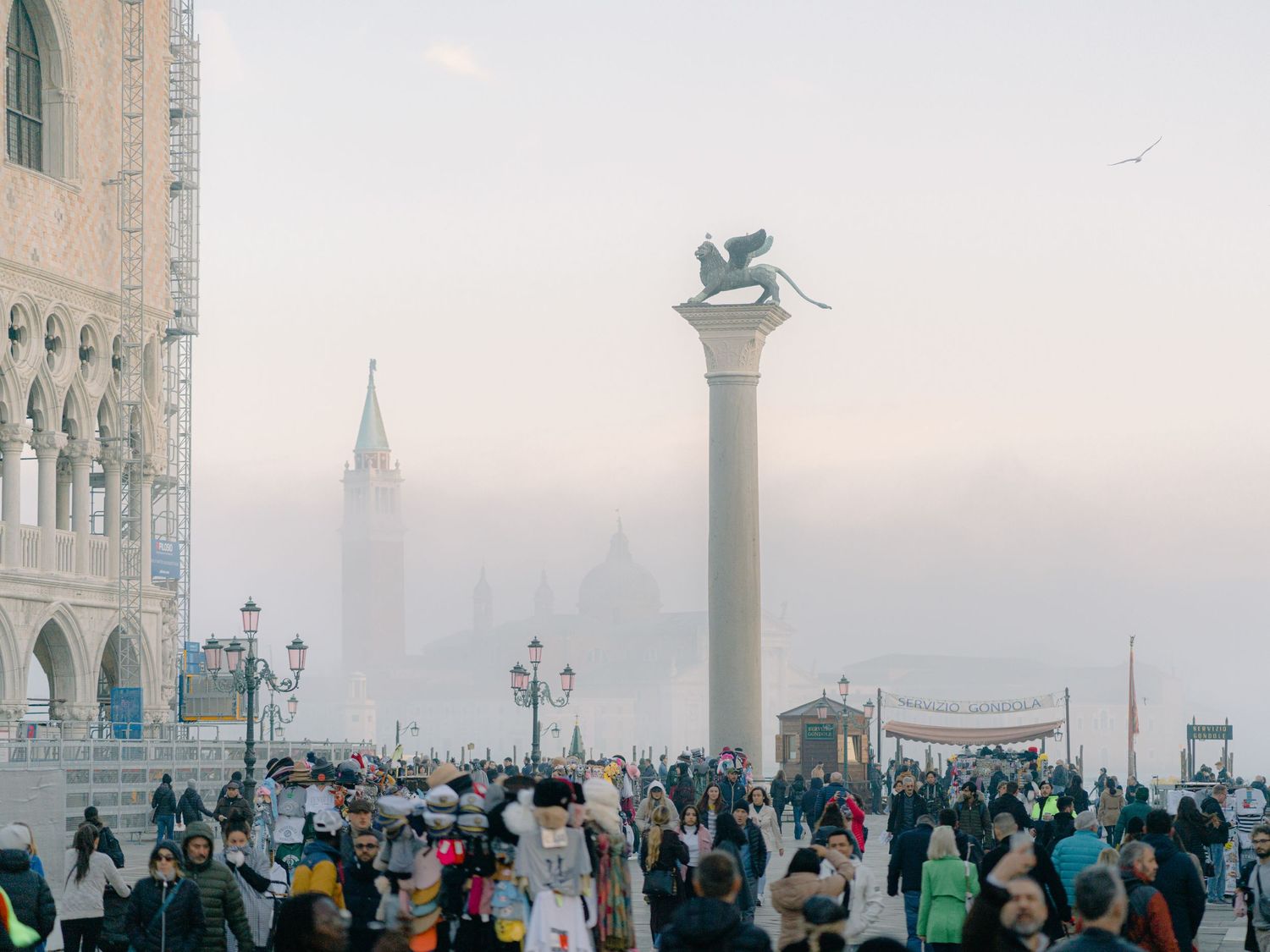
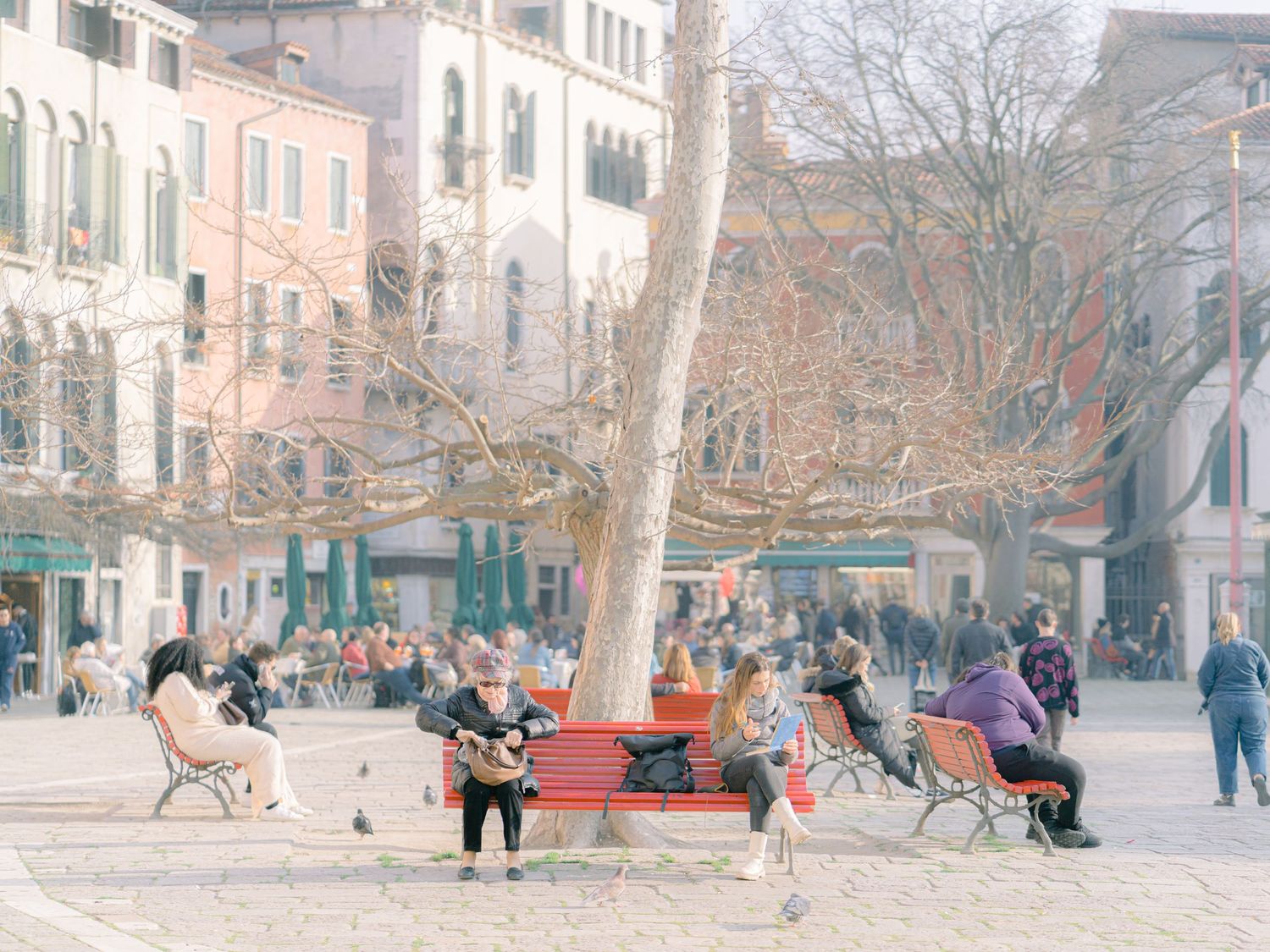
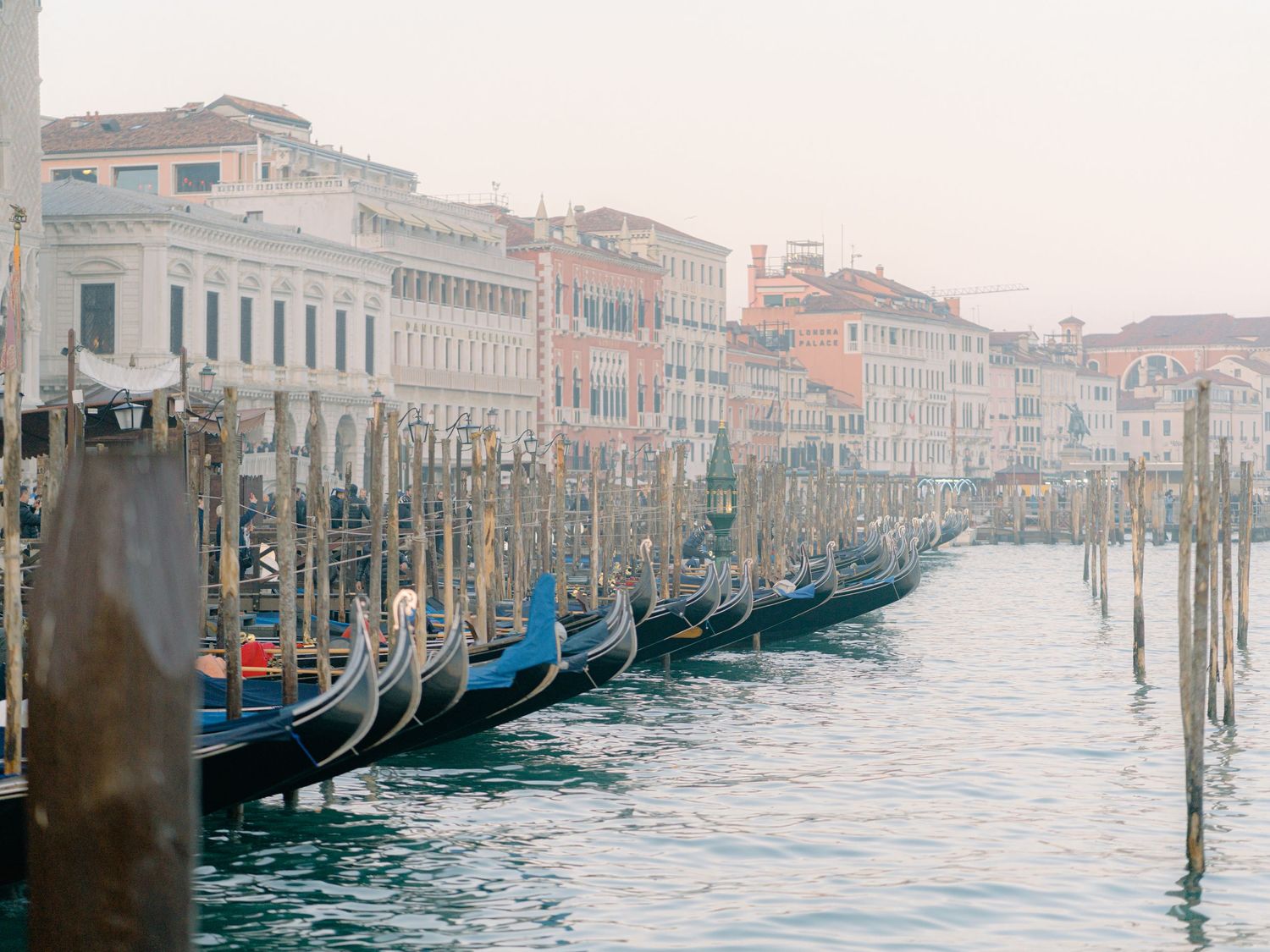
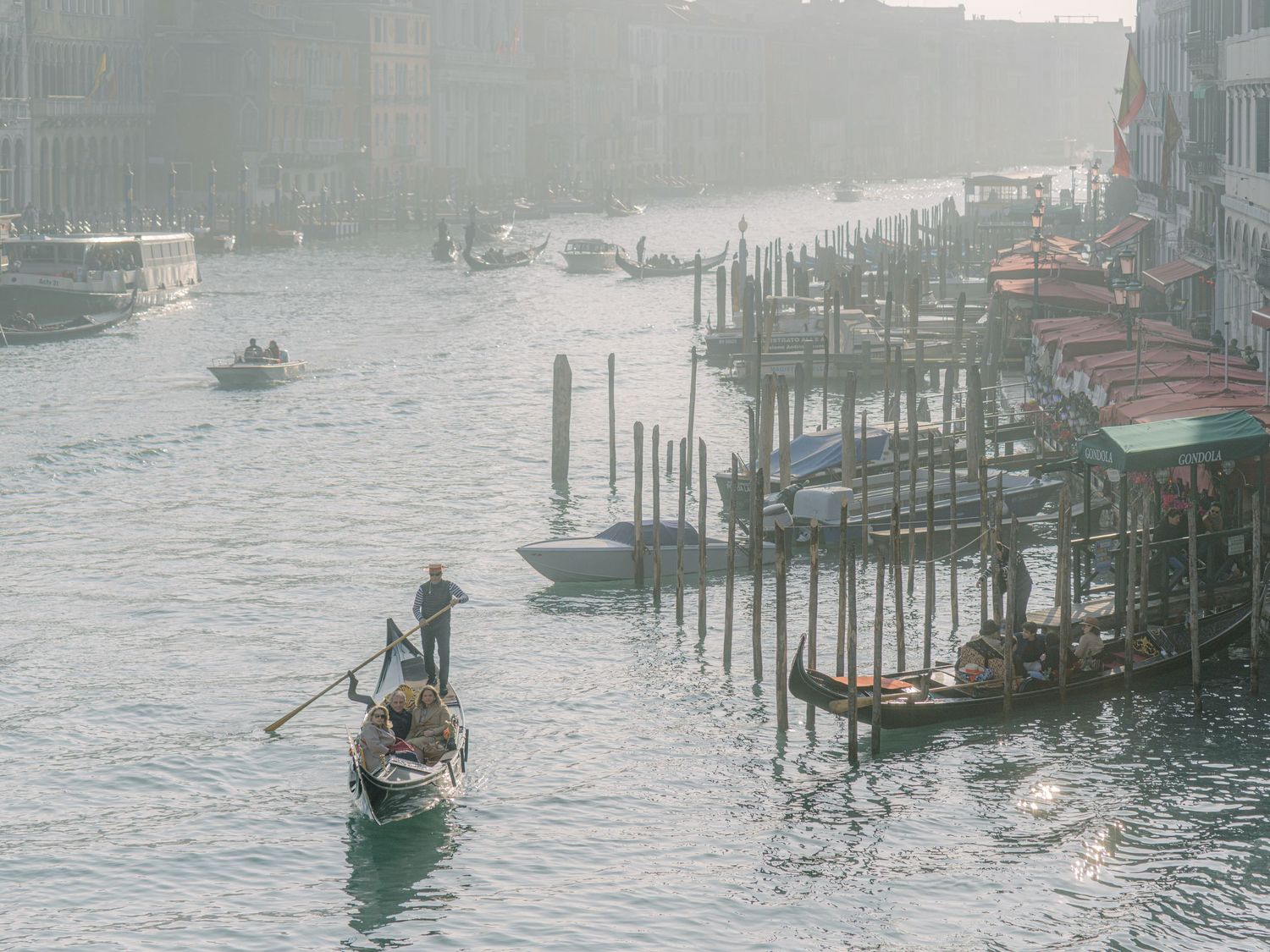
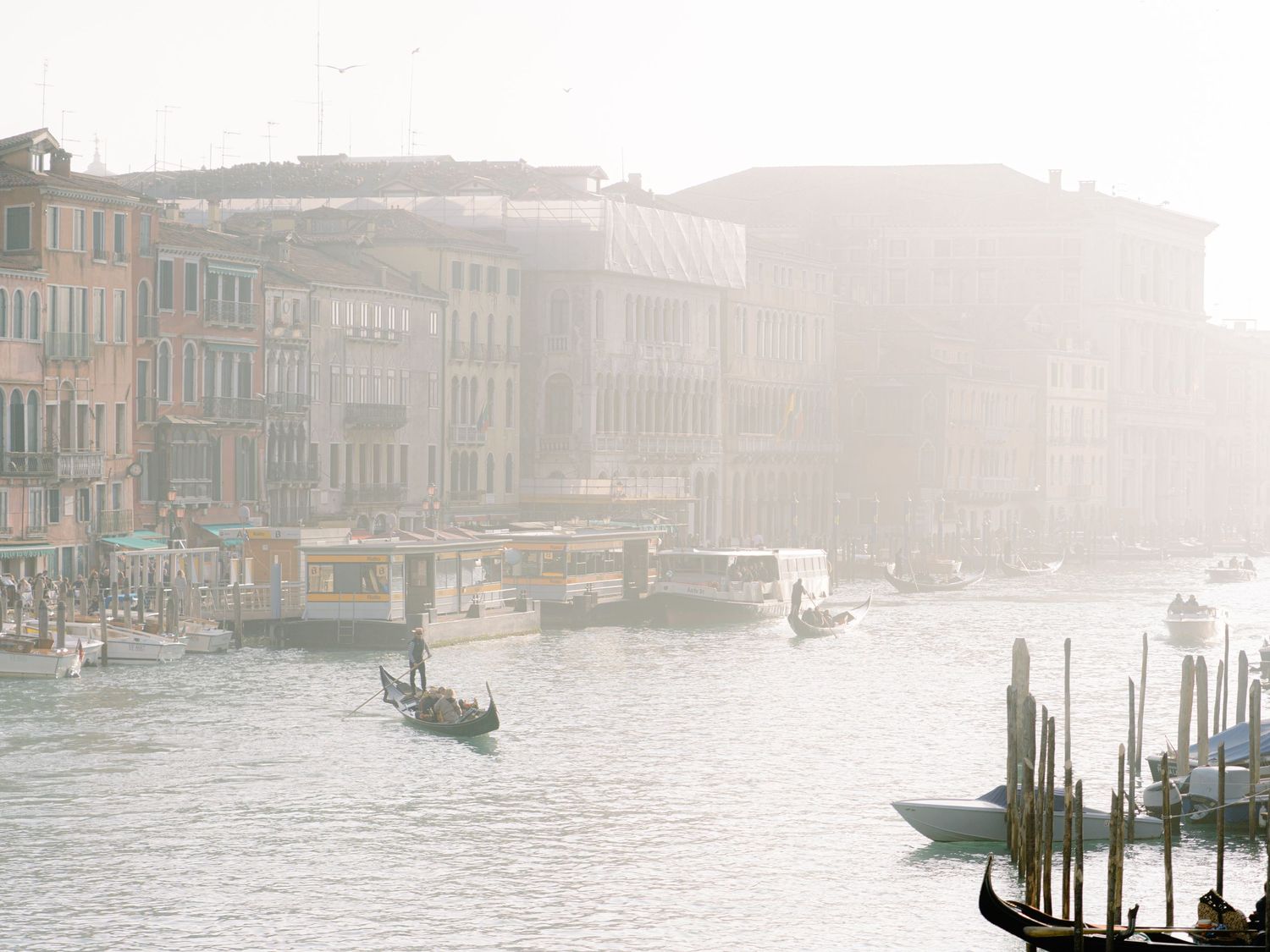
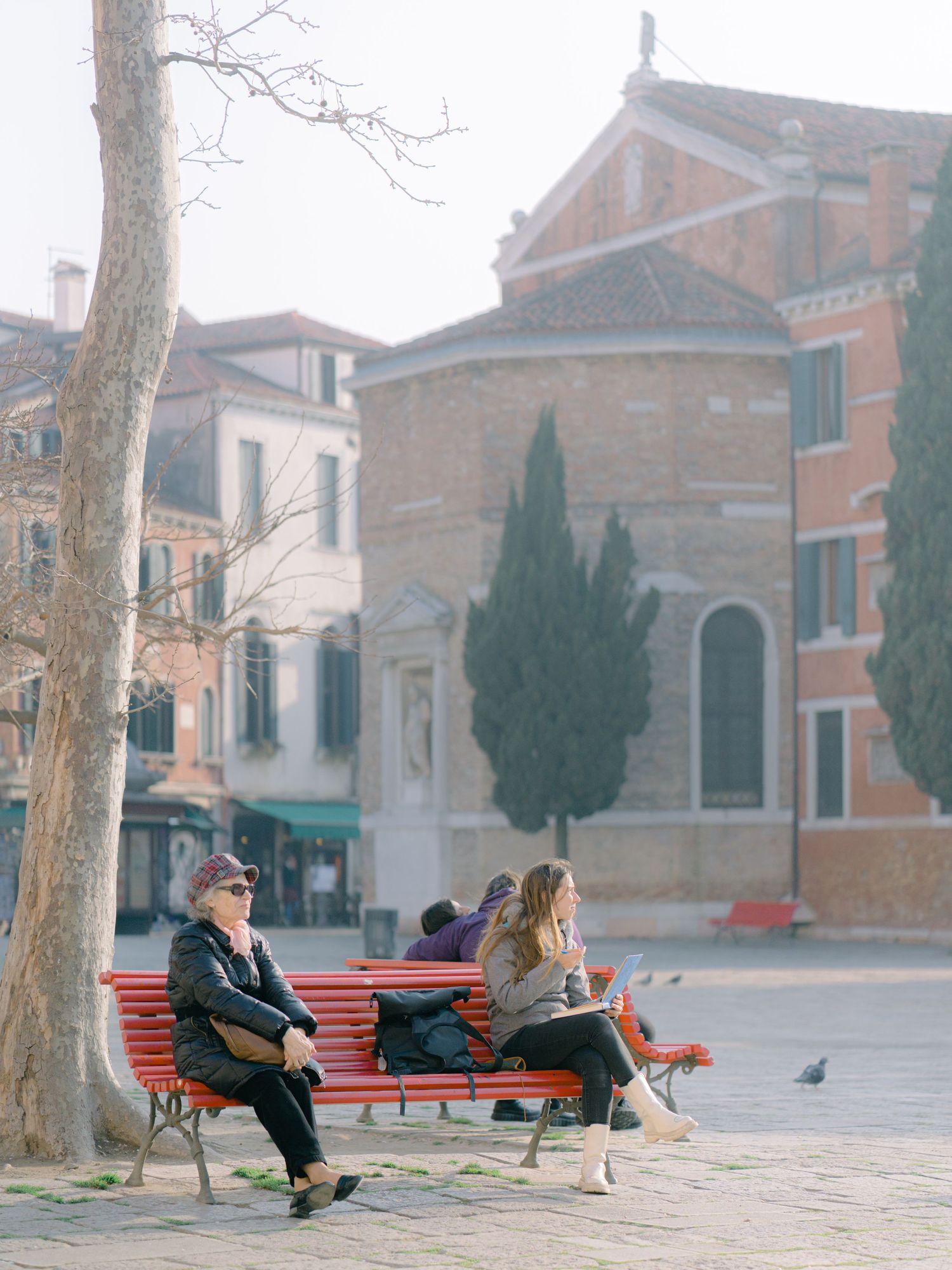
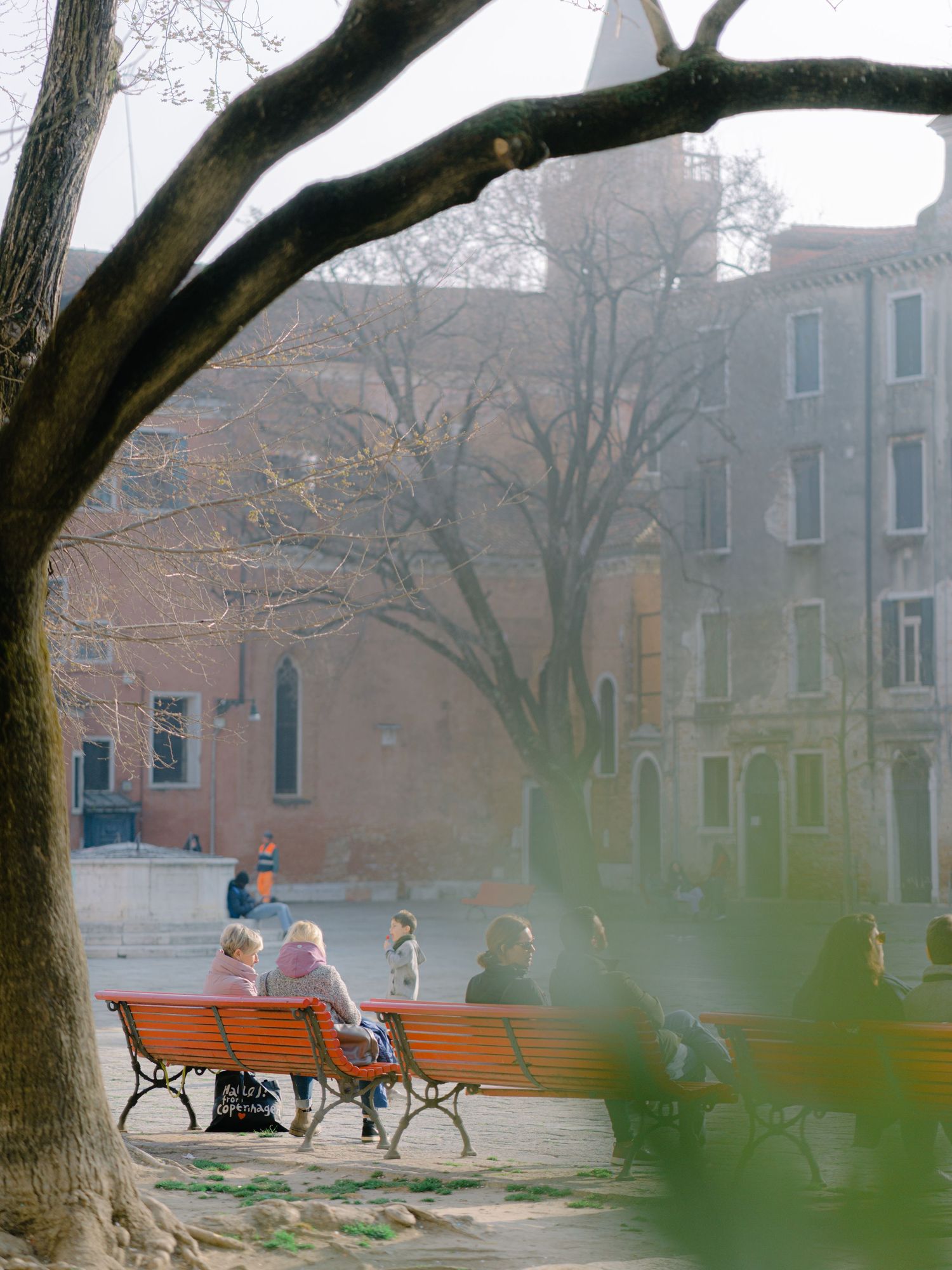
Despite its beauty, Venice has faced numerous challenges over the years. The city has struggled with flooding and pollution, and its population has declined significantly in recent decades.
However, the people of Venice remain resilient, and efforts are being made to preserve the city's culture and heritage for future generations.
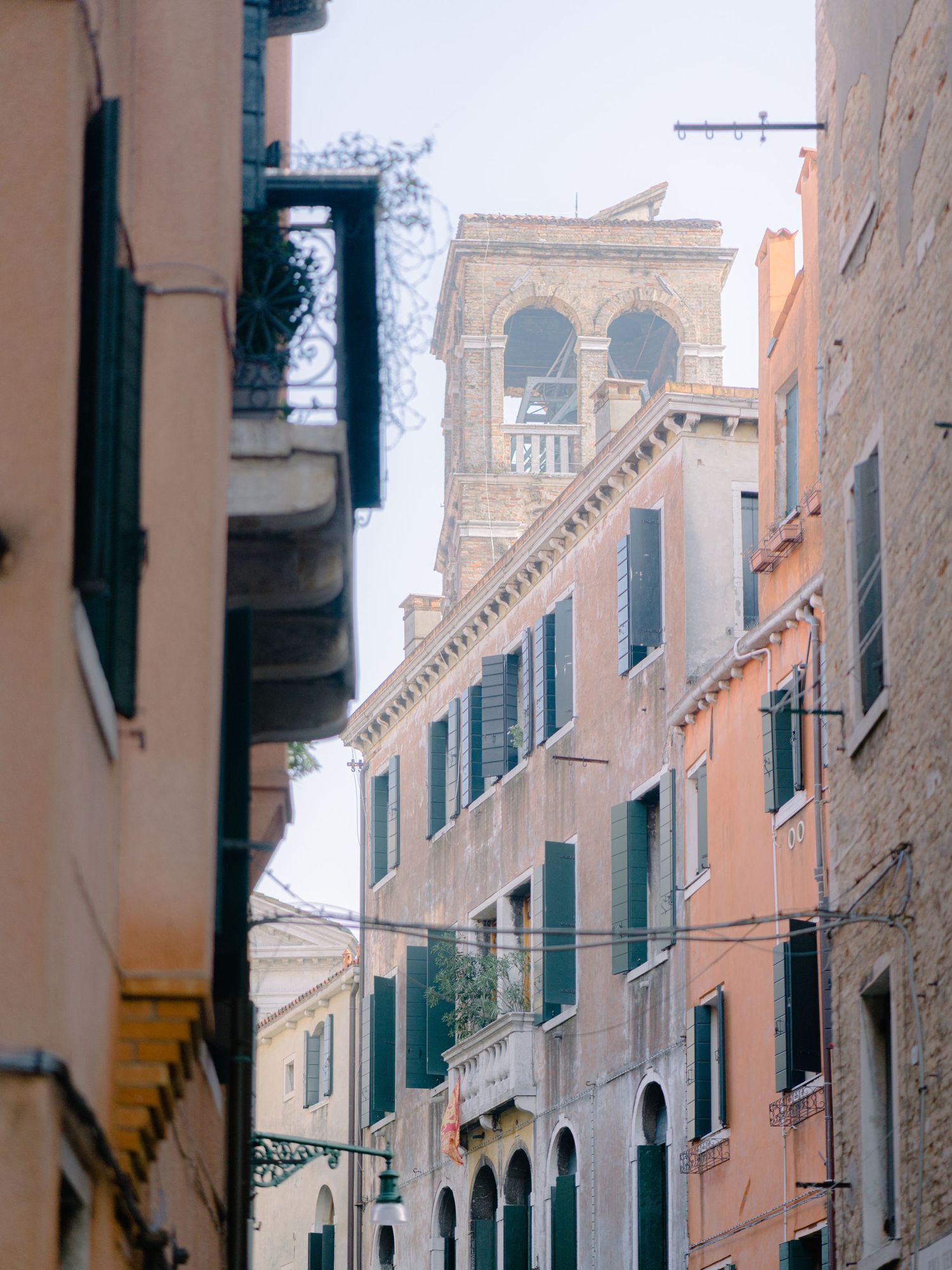
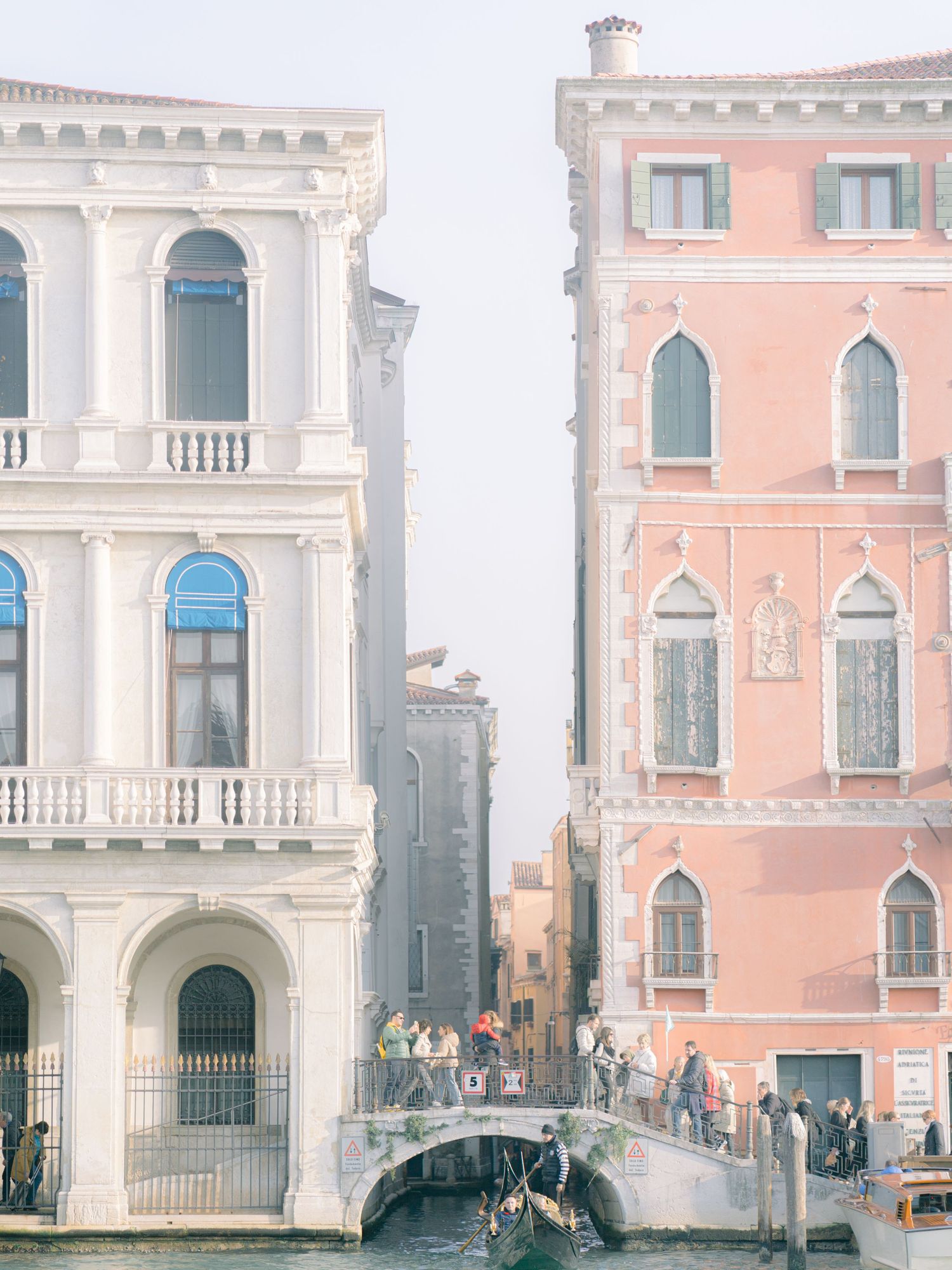
Is this the end?
As a Fine Art wedding Photographer, I cannot help but see Venice, Italy as a city that embodies the concept of impermanence.
It is a city that has stood the test of time, yet it is built on a fragile foundation that seems to defy its existence.
The city's waterways and canals offer a metaphor for the transitory nature of life itself, and its labyrinthine streets hint at the complexity of human existence.
The history of Venice is rich and complex, yet it is not the history of the city that I find most interesting.
Rather, it is the way in which Venice is able to capture the essence of life and the fleeting nature of existence.
The city's architecture, its art, its culture, and its people all contribute to this sense of impermanence.
The Venetian architecture is a testament to the city's enduring legacy.
The city's Gothic architecture, with its intricate stonework and soaring arches, seems to defy the forces of time.
The city's iconic canals are lined with buildings that appear to lean and tilt, giving the impression that they could collapse at any moment.
Yet, somehow, these buildings continue to stand, a testament to the resilience of human ingenuity.
Venetian art, too, captures the essence of impermanence. The city's masterpieces, such as those found in the Peggy Guggenheim Collection, showcase the fleeting nature of beauty.
The art is a reflection of the transitory nature of life, a reminder that all things must eventually come to an end.
The city's culture, too, is defined by its impermanence. The Venetian Carnival, with its elaborate masks and costumes, is a celebration of the temporary nature of life.
The city's traditional glass-blowing industry, which dates back to the 13th century, produces fragile and delicate objects that capture the essence of impermanence.
Finally, the people of Venice themselves embody the concept of impermanence. The city's population has been in decline for decades, as Venetians move away in search of greater economic opportunities.
The people who remain are fiercely proud of their city, yet they are acutely aware of its fragility.
In conclusion, Venice, Italy, is a city that captures the essence of impermanence. Its architecture, art, culture, and people all contribute to a sense of transience and fragility.
As a fine art wedding photographer, I cannot help but see Venice as a reminder that all things must come to an end, and that the only constant in life is change.